
Zebrawood
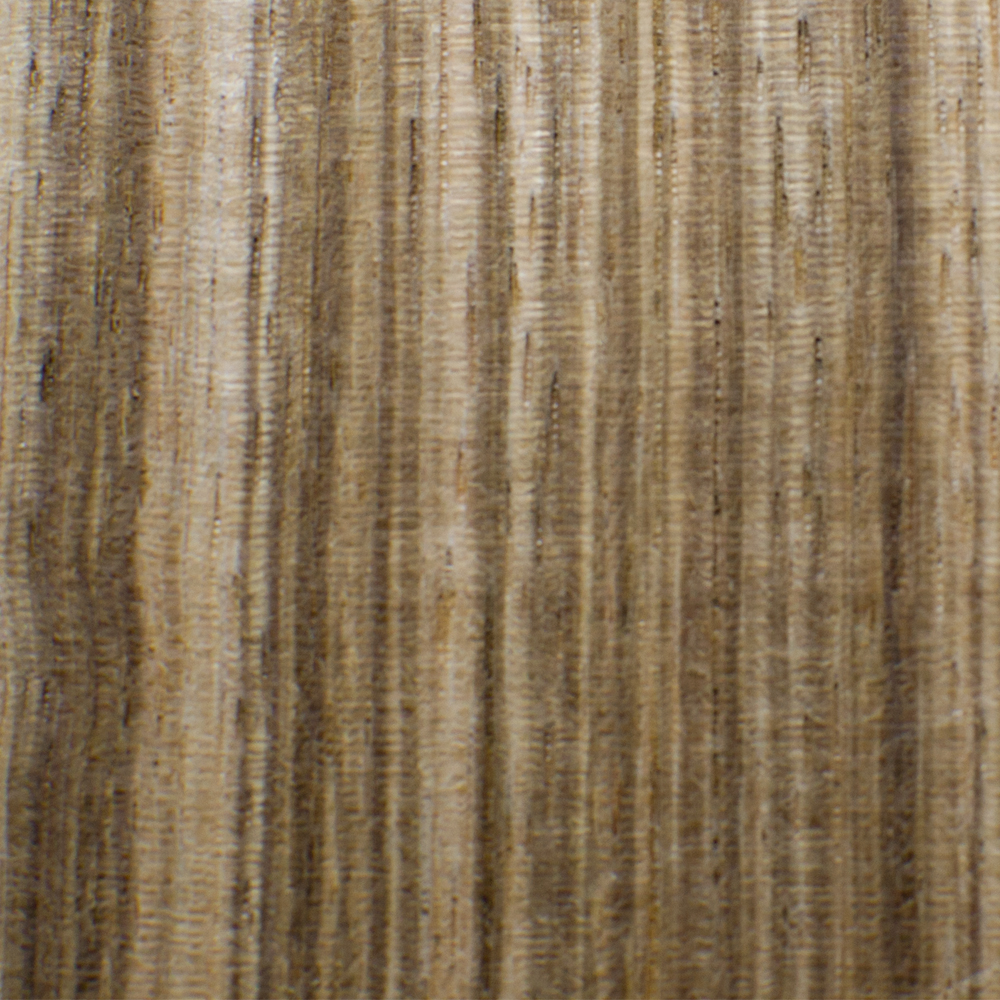
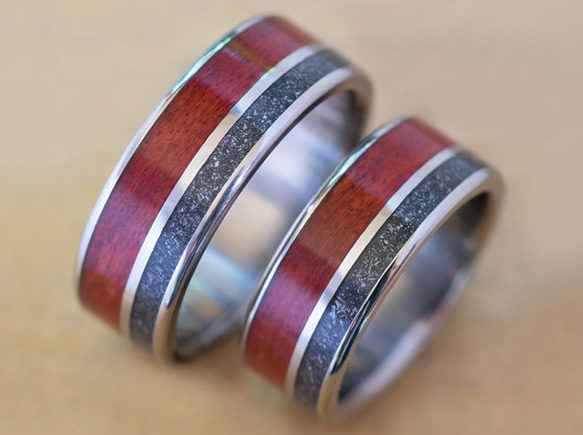
Zebrawood, which is sometimes called zebrano, grows in West Africa. Like the name implies, the grain pattern of the heartwood resembles the stripes of a zebra. It is a heavy and hard wood, and can be difficult to work due to its interlocking or wavy grain. While its hardness and density make it a useful wood, it is more often used in decorative work for its unique zebra-like striping.
Zebrawood has been used in the West for at least 250 years. As per wikipedia:
Zebrawood was first recorded in the British Customs returns for 1773, when 180 pieces of zebrawood were imported from the Mosquito Coast, a British colony (now Republic of Honduras and Nicaragua). In his History of Jamaica (1774), Edward Long relates, “The species of zebra wood at present in esteem among the cabinet-makers is brought to Jamaica from the Mosquito shore; it is of a most lovely tint, and richly veined…”. The Mosquito Coast thereafter exported zebrawood regularly until the Convention of London (1786) and the consequent expulsion of British settlers from this part of the Viceroyalty of New Spain.
The tree that produces zebrawood, Microberlinia brazzavillensis, is a large evergreen that grows to 150 feet, with a trunk diameter of 5 feet. As a member of the Fabaceae family, it has a symbiotic relationship with specific soil bacteria, which grow as nodules on the tree’s roots, and fix atmospheric nitrogen.

